
Resolution No. 2 of 2026: Mandatory Environmental Permitting, Habitat Controls, and Biodiversity Protection in Abu Dhabi
 Nandana K Vijayan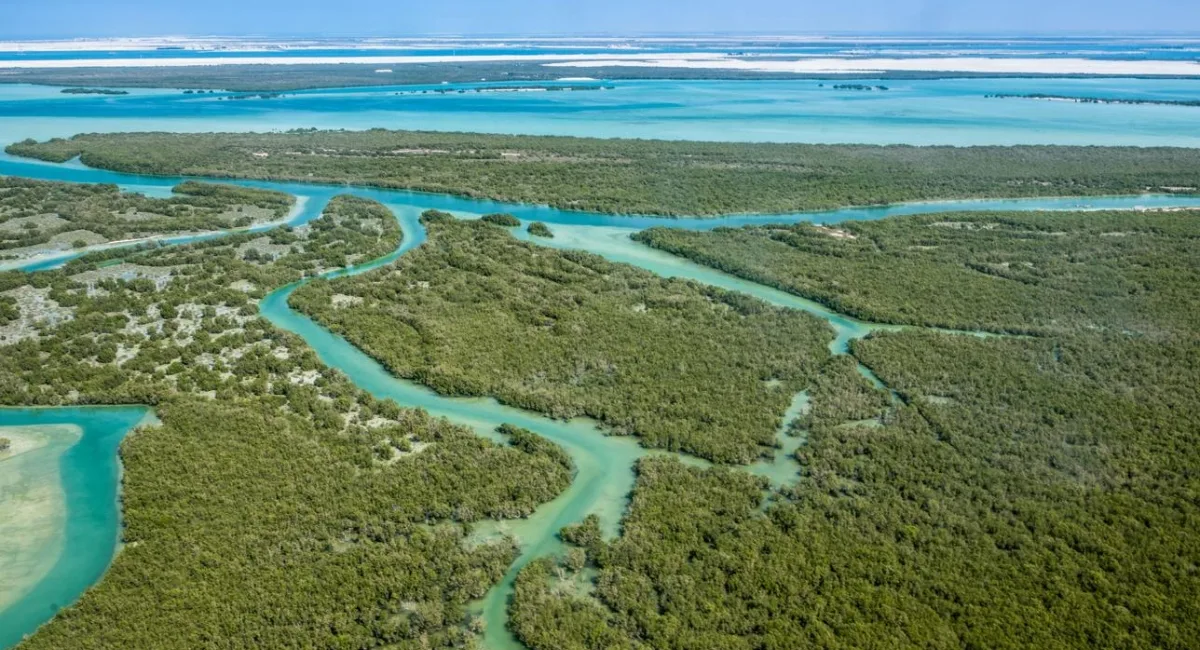
The Environment Agency – Abu Dhabi (EAD), enacted EAD Resolution No. 2 of 2026 on the Protection of Species and Habitats in the Emirate of Abu Dhabi. Effective at the end of July 2026, this regulatory framework significantly expands environmental compliance requirements across terrestrial, coastal, and marine ecosystems.
Building upon the statutory mandate established under Law No. 16 of 2005 (reorganizing EAD), Resolution No. 2 of 2026 extends environmental protections beyond formal nature reserves to cover 14 designated biodiversity conservation areas and high-value habitats across the Emirate. The regulation impacts commercial developers, maritime operators, industrial entities, agricultural producers, and infrastructure projects operating onshore and offshore in Abu Dhabi.
Scope of Protection and Protected Habitat Categories
Resolution No. 2 of 2026 establishes regulatory oversight across critical natural landscapes. The regulation applies to all native and migratory species on EAD-approved lists, while explicitly excluding non-native and invasive species.
| Ecosystem Classification | Statutory Protected Habitats |
| Marine & Coastal Habitats | Coral reefs, seagrass beds, mangroves, tidal flats, rocky and gravel beaches, coastal sabkhas, local islands, coastal cliffs, and large algae communities. |
| Terrestrial & Inland Habitats | Rocky flats between dunes, mesas and buttes, fossilized sand dunes, mountain slopes, valleys (wadis), water channels, vegetated sand sheets, and coastal dunes. |
Regulatory Prohibitions and Environmental Obligations
Resolution No. 2 of 2026 mandates strict environmental prohibitions and compliance standards across the Emirate:
1. Ban on Unpermitted Dredging and Reclamation
Subsea dredging, marine excavation, land reclamation, coastal infilling, and shoreline modification projects are strictly prohibited without prior formal environmental permits and technical clearance from EAD. Industrial and infrastructure developers must submit comprehensive Environmental Impact Assessments (EIAs) and implement environmental mitigation frameworks before undertaking coastal or marine works.
2. Strict Protections for Threatened Animal Species
For native and migratory fauna identified on EAD-approved lists, the resolution imposes comprehensive prohibitions against:
- Hunting, trapping, chasing, catching, or deliberate/accidental harm, particularly during seasonal breeding cycles;
- Destroying, damaging, or disrupting nests, burrows, dens, or essential breeding grounds;
- Collecting, possessing, transporting, selling, or exchanging live or dead specimens, eggs, or derivative parts; and
- Deploying acoustic or physical decoy devices designed to mimic animal calls, shapes, or behaviors for hunting or capture.
3. Protections for Threatened Flora Species
Wild terrestrial and marine flora species are subject to strict harvesting prohibitions:
- Cutting, uprooting, burning, or destroying wild plants and marine vegetation;
- Gathering seeds, spores, or reproductive propagules from wild flora populations; and
- Transporting, commercializing, gifting, or trading protected plant species without EAD authorization.
Enforcement Framework, Oversight, and Civil Liability
Resolution No. 2 of 2026 establishes an active monitoring and judicial inspection regime:
- Designated Inspectors: Judicial enforcement officers and EAD inspectors are empowered to conduct field audits, inspect marine vessels, access development sites, and verify compliance with environmental permit conditions.
- Habitat Restoration Mandates: Entities found liable for habitat degradation or unauthorized land reclamation must undertake—and finance—full environmental remediation and habitat restoration under EAD technical supervision.
- Administrative & Statutory Penalties: Violations trigger administrative fines, project suspension orders, equipment confiscation, and potential referral to the Public Prosecution under federal and emirate-level environmental protection statutes.
Conclusion & Operational Considerations for Industry
Resolution No. 2 of 2026 integrates biodiversity conservation directly into spatial planning, infrastructure development, and corporate risk management in Abu Dhabi. Developers, contractors, and maritime operators must audit project sites, evaluate coastal and desert footprints against EAD habitat maps, and secure necessary environmental approvals before initiating earthworks, marine dredging, or industrial operations.