
Understanding Dubai Municipality’s Outdoor Advertising Content Regulation Guidelines
 Nandana K Vijayan
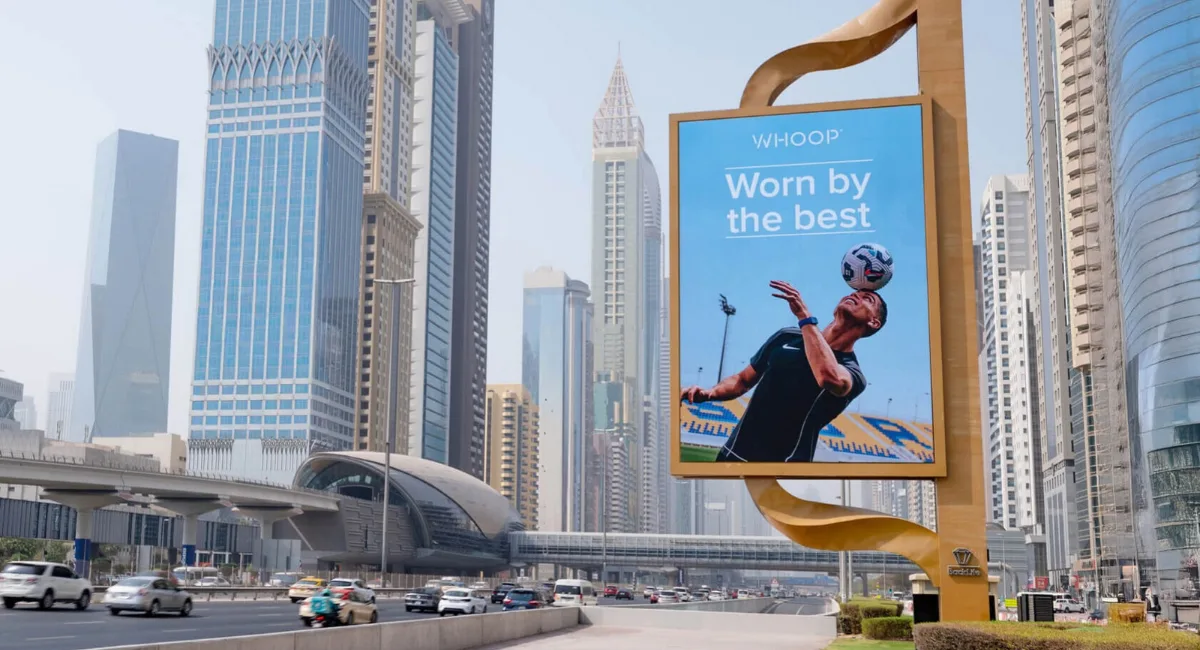
In October 2026, Dubai Municipality introduced the Advertising Content Regulation Guidelines for the Emirate of Dubai, establishing a unified administrative framework governing the creative, textual, and visual parameters of outdoor marketing.
Designed to complement existing structural and spatial advertising legislation, including Decree No. 6 of 2020 and Executive Council Resolution No. 30 of 2013 the updated framework expands regulatory oversight beyond physical signage permits to the underlying advertising content itself. The guidelines establish mandatory standards for written copy, visual imagery, motion graphics, interactive components, artificial intelligence (AI) tools, and the depiction of national landmarks across mainland Dubai.
The Legal and Regulatory Architecture
Outdoor advertising in Dubai operates under a dual-layer regulatory structure: structural permit approvals (governing physical placement, wind-load calculations, and engineering safety) and creative content standards (governing visual presentation, consumer protection, and public morality).
Statutory Foundations
- Federal Media Legislation: All commercial messaging must comply with Federal Decree-Law No. 55 of 2023 on the Regulation of Media, which mandates respect for Islamic values, state symbols, public morality, and national identity.
- Jurisdictional Boundaries: Pursuant to Decree No. 6 of 2020, Dubai Municipality maintains primary jurisdiction over commercial signage affixed to building façades, rooftops, building wraps, and private commercial property, coordinating with the Roads and Transport Authority (RTA) for highway hoardings, bridge banners, and transit media.
Broad Scope of Application
The guidelines apply universally to advertising agencies, commercial brand owners, graphic designers, media buying houses, and semi-governmental entities executing outdoor campaigns in the emirate.
Core Content and Creative Execution Standards
The framework introduces standardized compliance parameters across several key operational areas:
1. Linguistic Rules
- Mandatory Arabic Prominence: Written Arabic must serve as the primary language on all outdoor displays. The font size of the Arabic copy must match or exceed the vertical height of accompanying Latin typography, and the Arabic script must occupy a prominent position (typically top or right-aligned).
- Verbatim Trade Name Alignment: Transliterations of foreign brand names must match the entity’s registered trade name listed on its commercial license issued by the Department of Economy and Tourism (DET) or relevant free zone authority. Spelling or grammatical errors in Arabic copy are strictly prohibited and result in immediate permit rejection.
2. Digital Out-of-Home (DOOH), Motion, and AI Integration
Rather than prohibiting modern creative technology, the framework establishes clear guardrails for Digital Out-of-Home (DOOH) assets and AI-generated media:
- Driver Safety and Motion Restrictions: Full-motion animation and high-definition dynamic video are restricted to off-road pedestrian zones. Digital screens installed within driver line-of-sight, particularly those within 50 meters of traffic signals, intersections, or roundabouts, must display static imagery to prevent driver distraction.
- Luminescence Controls: External LED and digital signage must be equipped with automated ambient light sensors. Maximum brightness is capped at 5,000 nits during daylight hours and must automatically dim to under 500 nits between dusk and dawn to eliminate hazardous road glare.
- Artificial Intelligence (AI) Content: AI-generated artwork and copy are subject to standard consumer protection rules. AI tools must not produce deceptive product representations, false claims, or unauthorized likenesses of real individuals without verified legal consent.
3. Depiction of Landmarks, Public Symbols, and Cultural Heritage
Promotional materials incorporating recognized architectural or cultural landmarks (e.g., the Museum of the Future, Burj Khalifa, or Dubai Frame) must secure explicit location clearances. The display of state emblems, official badges, and national figures must adhere to statutory dignity protocols and cannot be merged with commercial discount messaging or promotional price drops.
Risk Management and Enforcement Mechanisms
Displaying outdoor marketing materials without a valid permit or failing to comply with approved content guidelines carries administrative consequences under municipal regulations:
| Violation Category | Statutory Risk / Exposure | Administrative Remedy |
| Unpermitted Commercial Signage | Administrative fines ranging from AED 2,000 to AED 50,000 depending on display scale. | Mandatory removal of non-compliant materials at vendor expense; risk of agency blacklisting. |
| Linguistic Discrepancies / Errors | Immediate permit rejection or suspension of active displays. | Mandatory content modification and resubmission via municipal digital portals. |
| Safety & Glare Non-Compliance | Power disconnection for DOOH hardware; municipal fines. | Mandatory recalibration of light sensors and screen static timing settings. |
Practical Guidance for Brands and Media Agencies
- Integrate Compliance Into Early Concept Phases: Review proposed visual assets, translations, and trademark placements during the design stage prior to physical production or media buys to prevent costly revisions.
- Audit Hardware for Technical Controls: Ensure outdoor LED installations feature built-in ambient light sensors and software capable of locking screens to static displays along roadside corridors.
- Verify Site Jurisdiction: Confirm whether a prospective site falls under Dubai Municipality, the RTA, or a specialized free zone entity (such as the Dubai Development Authority) to direct permit applications to the correct portal.
- Secure Secondary Approvals for Regulated Claims: Ensure promotional offers, price reductions, healthcare claims, or financial product disclosures carry requisite pre-approvals from specialized regulators (e.g., DET, Ministry of Health) before submitting creative files to the Municipality.
Conclusion
Dubai Municipality’s Advertising Content Regulation Guidelines introduce a structured layer of creative and content oversight to the emirate’s outdoor media sector. By standardizing rules around Arabic typography, DOOH tech, driver safety, and cultural representation, the framework gives businesses a clear pathway to execute innovative campaigns while preserving public safety and urban aesthetics.